
 Nederlands
 Español
 Русский
 Français
 Deutsch
 中文
中文

Overview
- Uncategorized
- Can an Unfit Person Climb Mount Kilimanjaro?
Can an Unfit Person Climb Mount Kilimanjaro?
It’s one of the most searched questions about Kilimanjaro—and one of the most honest ones. Not “How do I train for Kilimanjaro?” or “What’s the best route?” but the real question lurking behind both of those: Can I actually do this?
If you’re reading this, there’s a good chance you’re not a professional mountaineer. You might not run marathons. You might have skipped the gym more times than you’ve been this year. You’re a regular person with a big dream, and you want someone to tell you the truth about whether that dream is actually achievable.
Here it is: the truth is more encouraging than you probably expect—and more honest than most tour operator websites will be with you.
-
By Howling Tours
Climbing Mount Kilimanjaro, the highest mountain in Africa at 5,895 meters (19,341 ft), is a dream for many travelers. A common question among beginners is whether someone who is not particularly fit can still reach the summit. The encouraging answer is yes—many ordinary travelers successfully climb Kilimanjaro every year, even without being athletes.
Can an Unfit Person Climb Mount Kilimanjaro?
The short answer is it depends on what you mean by unfit.
Kilimanjaro is the highest mountain in Africa, standing at 5,895 meters (19,341 feet) above sea level. It is also, technically speaking, a non-technical climb—meaningis it no ropes, no crampons, and—meaning no specialist mountaineering skills are required to reach Uhuru Peak. You walk. Slowly. For several days. And then you walk back down.
That sounds deceptively simple. And in some ways, it is. Kilimanjaro is genuinely more accessible than its height suggests. Every year, tens of thousands of people—manycrampons, and—many of them with no prior hiking or mountaineering experience—successfully reach the summit. Ordinary teachers, office workers, retirees, and first-time hikers stand on top of Africa every single year.
But here’s the honest part: someone who is genuinely, significantly unfit is going to struggle—and may not make it. Not because the climbing is technically hard, but because altitude doesn’t care about your determination. The higher you go, the less oxygen is available, and your body needs a reasonable baseline of cardiovascular fitness to cope with that reality. A person who gets winded walking up a flight of stairs will find Kilimanjaro genuinely dangerous, not just difficult.
The question isn’t really “Can an unfit person climb Kilimanjaro?”—it”‘s “How fit do you need to be, and how much time do you have to get there?”
How Fit Do You Need to Be to Climb Kilimanjaro?
This is the question that actually matters, and the answer is more accessible than most people fear.
You do not need to be an athlete. You do not need to run a half marathon or spend hours in the gym every week. What you do need is a body that can handle sustained, low-intensity effort over multiple consecutive days—and a cardiovascular system that can adapt reasonably well to altitude.
Think of it this way: if you can walk for 5 to 7 hours at a moderate pace without completely falling apart at the end of it, you have the basic physical foundation to attempt Kilimanjaro. Everything beyond that is training and preparation.
The specific physical demands look like this in practice:
Duration: Most routes take 6 to 9 days. You’ll be walking 4 to 8 hours on most days—longer on summit night, which typically runs 10 to 16 hours round-trip.
Terrain: Kilimanjaro passes through five distinct climate zones—rainforest, heathland, moorland, alpine desert, and the arctic summit. The terrain ranges from muddy forest paths to rocky scree slopes. None of it requires technical skills, but all of it requires physical endurance.
Gradient: The mountain is steep in places but rarely extreme. The summit night push involves sustained uphill effort at very high altitude—this is where fitness matters most.
Altitude: This is the great equalizer. Above 3,500 meters, even fit people feel the effects of reduced oxygen. Headaches, fatigue, nausea, and shortness of breath are normal. A body with a strong cardiovascular baseline handles these effects better and recovers faster.
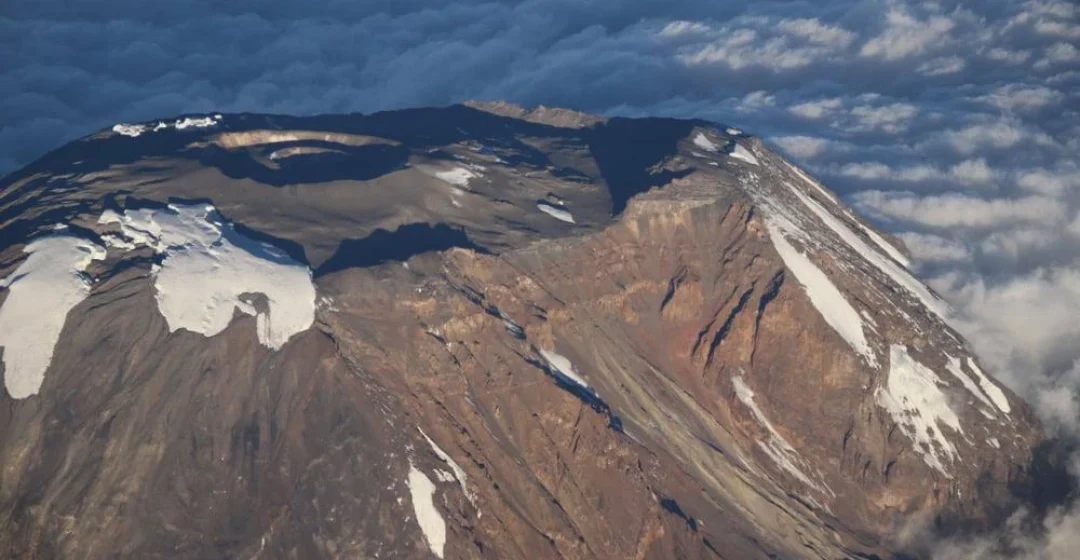
Can an Unfit Person Hike Kilimanjaro? The Honest Reality
Here’s what the statistics actually say. Kilimanjaro’s overall summit success rate sits at around 65 to 85 percent, depending on the route. Longer routes—Lemosho, Northern Circuit—have higher success rates because they allow more time for acclimatization. Shorter routes—especially Marangu—have lower success rates.
The most common reason people don’t reach the summit isn’t injury. It isn’t weather. It isn’t a lack of willpower. It’s altitude sickness—and altitude sickness does not discriminate purely based on fitness. Incredibly fit athletes have been turned around by altitude. Average-fitness people have summited without much trouble.
That said, fitness matters for two important reasons:
First, a stronger cardiovascular system means your body uses oxygen more efficiently—critical when there’s 40 to 50 percent less of it available at summit altitude.
Second, physical fitness means you’re carrying less accumulated fatigue into the critical final days. By the time summit night arrives on Day 6 or 7, a less fit person may be so physically depleted from the previous days that their body simply can’t generate what’s needed for the final push.
So: can an unfit person hike Kilimanjaro? Yes—with important caveats. Someone who is moderately active has a realistic shot at the summit with the right preparation, the right route, and the right approach. Someone who is sedentary and makes no effort to prepare risks not only the summit but also their health.
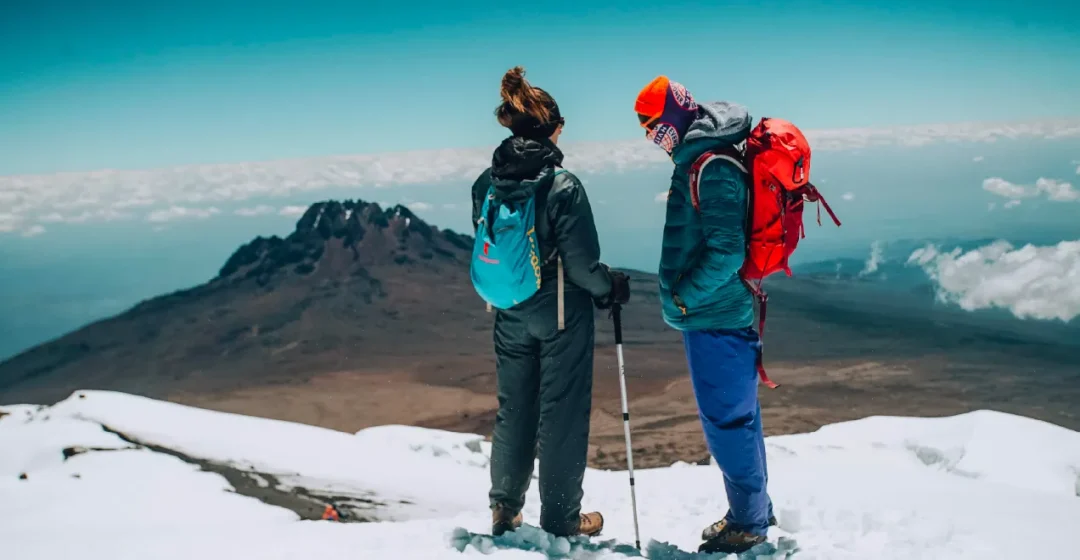
Don’t Be Scared—Erase Your Fear of Kilimanjaro
If what you’ve read so far has made you nervous, take a breath.
Kilimanjaro has been climbed by a 7-year-old child. It has been climbed by people in their 80s. It has been climbed by people with one leg. It has been climbed by people who had never hiked a day in their life before they arrived at the trailhead. These aren’t stories shared to minimize the mountain—they’re true, and they illustrate something important about what Kilimanjaro actually requires.
It requires determination above everything else. Physical fitness supports that determination. Good preparation gives it a foundation. But the mountain is ultimately conquered by people who refuse to give up—people who keep moving slowly and steadily when everything in their body is telling them to stop.
The famous Swahili phrase guides use on Kilimanjaro is “pole pole”—slowly, slowly. It’s not a motivational poster cliché. It’s literally the strategy. The slower you go, the better your body acclimatizes. The better you acclimatize, the higher you get. The most common mistake on Kilimanjaro is going too fast—and it’s a mistake that fit, confident people make far more often than unfit, cautious ones.
Your fitness level determines how hard the journey feels. Your attitude determines whether you finish it.
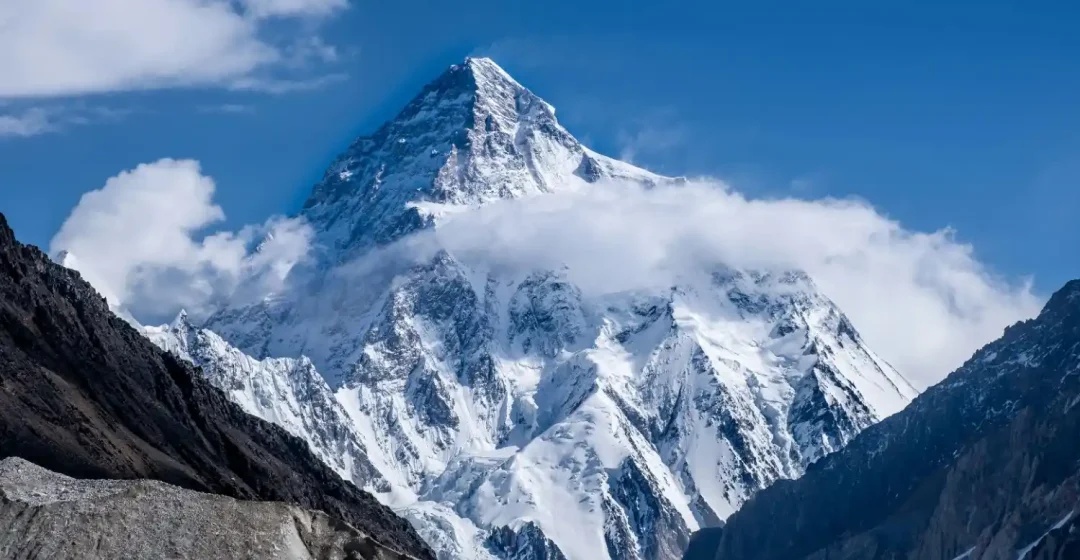
Kilimanjaro 101—The Beginner’s Guide to Climbing Africa’s Highest Peak
Choosing the Right Route
Route selection is one of the most important decisions an average-fitness climber can make. Longer routes aren’t harder—they’re actually easier, because they give your body more time to adjust to altitude.
The Lemosho Route (7–8 days) is the best overall route for most climbers. Excellent acclimatization profile, beautiful scenery, moderate trail traffic, and a high summit success rate. This is what most reputable guides recommend to first-time climbers regardless of fitness level.
The Northern Circuit (9 days) is the longest route and the one with the highest summit success rate. Also the most exclusive and least crowded. For climbers who want to maximize their chances, this is the gold standard.
The Rongai Route (6–7 days) approaches from the north—it’s quieter, has decent acclimatization, and is a good option for climbers who prefer a less traveled path.
The Marangu Route (5–6 days) is the shortest route and the only one with hut accommodation. Often marketed as the easiest—the “Coca-Cola route”—but it actually has the lowest summit success rate due to its compressed acclimatization schedule. Not recommended for average-fitness climbers.
The Machame Route (6–7 days) is popular and scenic, with a good “climb high, sleep low” acclimatization profile. More crowded than Lemosho but well-established and well-guided.
What Is Summit Night Really Like?
Summit night is the part of Kilimanjaro that no amount of preparation fully prepares you for—and the part that decides whether you make it.
It typically begins around midnight. Temperatures at the summit can drop to -20°C (-4°F) or lower with wind chill. Your headlamp illuminates nothing but the boots of the person in front of you and the dark scree slope rising endlessly upward. The altitude is serious—above 5,000 meters, the oxygen level is roughly 50 percent of what it is at sea level.
You walk. Pole pole. One step. Breathe. Another step. Breathe. Hours pass. Your head may ache. Your stomach may turn. Every step feels heavier than the last.
And then, somewhere between 5 and 8 hours after leaving camp, you reach Stella Point on the crater rim—and the sky begins to lighten. From Stella Point to Uhuru Peak is another 45 minutes to an hour across the crater rim. The sunrise over the African continent from that altitude is something no photograph has ever properly captured.
That’s what the summit feels like. And it is completely, absolutely worth everything that came before it.
What Does the Average Person Climbing Kilimanjaro Experience?
The average Kilimanjaro climber is not a professional athlete. They’re someone who took the decision seriously, prepared thoughtfully, chose a good route, and committed to the process. Here’s what a typical experience looks like:
Days 1–2: Excitement and energy. The rainforest is beautiful. The pace feels easy. Many climbers feel like they’ve underestimated themselves.
Days 3–4: The reality of sustained altitude begins. Headaches may appear. Sleep becomes harder. Appetite decreases. Fatigue is building. The landscape turns dramatic and moorlike.
Days 5–6: Camp is above 4,500 meters. Everything feels harder. Short walks leave you breathless. The guides reassure you that this is completely normal.
Summit Night: The hardest thing most people have ever done. And the most rewarding.
Descent: Faster than expected. Most climbers are surprised how quickly energy returns once altitude decreases. By the time you reach the lower camps, the magnitude of what you’ve accomplished begins to sink in properly.
Is Climbing Kilimanjaro Safe? A Kilimanjaro Safety Guide
Kilimanjaro is generally safe when approached correctly. But “generally safe” doesn’t mean risk-free, and understanding the genuine hazards matters.
Altitude Sickness (AMS—Acute Mountain Sickness) This is the primary risk. Symptoms include headache, nausea, dizziness, fatigue, and loss of appetite. Mild AMS is extremely common above 3,000 meters and is not inherently dangerous. Severe AMS—particularly High Altitude Pulmonary Edema (HAPE) or High Altitude Cerebral Edema (HACE)—is rare but serious and requires immediate descent.
The best protection is choosing a longer route, walking slowly, staying well hydrated, and telling your guide immediately if you feel unwell. Most reputable operators carry supplemental oxygen and will descend with any climber showing serious symptoms.
Hypothermia Summit night temperatures can be extreme. Proper layering and quality cold-weather gear are non-negotiable. Your operator should brief you thoroughly on what to bring.
Exhaustion and Dehydration Both are common, and both are preventable. Drink at least 3 to 4 liters of water per day on the mountain. Eat even when you don’t feel hungry.
How Dangerous Is Climbing Kilimanjaro? Fatalities do occur—estimates suggest around 3 to 10 deaths per year, mostly from altitude-related illness. Given that 50,000 to 60,000 people attempt the mountain each year, the statistical risk is low—but it is not zero. Choosing a reputable operator with experienced guides, proper safety equipment, and a mandatory descent policy for serious symptoms is the most important safety decision you can make.
Training for Kilimanjaro When You’re Not Naturally Fit
If you’ve looked at the above and thought, “I’m not there yet, but I could be,” you’re in the right place. Here’s a realistic training approach for someone starting from a low fitness baseline with 3 to 6 months before the climb.
Months 1–2: Build the Base
The goal in the first two months is simply to get your body moving consistently. Start with whatever you can manage—even 20- to 30-minute walks three times a week are a legitimate starting point. Consistency matters more than intensity at this stage.
Gradually increase walk duration. Aim to be walking 60 to 90 minutes continuously by the end of month two. Incorporate hills wherever possible—the muscles you use walking uphill are the ones Kilimanjaro will demand the most from.
Months 3–4: Add Elevation and Duration
Start walking with a daypack—even a light one. Your body needs to adapt to the weight. Begin incorporating proper hill walks into your routine. If you live somewhere flat, staircase training with a pack is an effective substitute.
Aim for at least one long walk per week—4 to 6 hours at a steady pace. This is the closest simulation of a Kilimanjaro walking day you can do at home.
Months 5–6: Build Consecutive Day Stamina
Two months out, the focus shifts to multi-day endurance. Can you walk 5 hours on Saturday and then get up Sunday and do it again? This is exactly what Kilimanjaro requires.
If possible, do an overnight hiking trip—one to three nights in the hills with a loaded pack. This combines everything: sustained effort, consecutive days, carrying weight, sleeping in the field, and the mental adjustment of committing to the experience.
General Fitness Tips
Cardiovascular fitness: Cycling, swimming, and stair climbing all build the aerobic base that altitude demands alongside your walking training.
Leg strength: Squats, lunges, and step-ups strengthen the quads and glutes that carry you up and down the mountain. Strong legs mean less fatigue and better knee stability on descent.
Core strength: A strong core helps your posture under a pack over long days. Basic planks and core exercises make a real difference.
Hydration habits: Start practicing drinking 2 to 3 liters of water per day. On the mountain you’ll need 3 to 4 liters daily—building the habit before you arrive makes it much easier to maintain.
Tips for Climbing Kilimanjaro as an Average or Less Fit Person
Choose the longest route you can afford. Northern Circuit (9 days) and Lemosho (7–8 days) give your body the best possible chance to acclimatize. Every extra day at altitude before the summit push significantly improves your odds.
Walk slower than you think is necessary. The guides will set the pace—trust them completely. Pole pole is the strategy.
Communicate with your guide—honestly. Tell them how you’re feeling. Guides are trained to assess AMS symptoms, and early communication can mean the difference between a managed adjustment and a dangerous situation. Don’t tough it out in silence.
Consider Diamox (acetazolamide). This prescription medication helps your body acclimatize more effectively. Consult your doctor well before departure. It’s not a guarantee, but it does reduce the severity of AMS in many people.
Sleep and rest properly between climb days. Kilimanjaro is not an endurance contest between camps—the rest days are when your body adapts. Eat, drink, and sleep properly.
Accept that summit night will be brutally hard. Going in with realistic expectations is important. It will be cold, dark, and physically demanding in ways that feel unlike anything you trained for. That’s normal. Keep walking.
Hire a reputable operator with experienced guides. This cannot be overstated. An experienced guide on Kilimanjaro is not a luxury—they are your safety net. They will recognize AMS symptoms before you do, maintain the right pace, make the call to descend when necessary, and carry emergency equipment. Do not book the cheapest option available for this mountain.
Five Best Recommended Items to Pack for Kilimanjaro
Trekking poles—reduce load on your knees by up to 30 percent on descent. For anyone with less than ideal leg strength, poles are essential, not optional.
A quality sleeping bag rated to at least -10°C (14°F)—cold nights at high altitude are brutal. Sleeping well is critical to recovery between climb days.
Hydration bladder or wide-mouth water bottles—Staying on top of hydration is the most controllable factor in how well you feel on the mountain. Make drinking easy and automatic.
Blister prevention (liner socks, foot tape, or Vaseline)—Blisters seem minor until you’re on Day 5 with three days still ahead of you. Take prevention seriously from Day 1.
Headlamp with fresh batteries and a backup set—Summit night is entirely in the dark. A reliable headlamp with backup batteries is completely non-negotiable.
Frequently Asked Questions
Can a completely unfit person climb Kilimanjaro? Someone who is severely unfit and makes no preparation is unlikely to reach the summit and may put their health at risk. However, someone who is moderately sedentary but commits to 3 to 6 months of progressive training has a genuine, realistic shot at the summit. Fitness is buildable—what matters most is that you start early enough.
How hard is it to climb Mount Kilimanjaro? It’s hard—but not in the way most people expect. The climbing itself is not technically difficult. The hardest part is the sustained multi-day effort combined with altitude, which your body has to work to adapt to. Most people find it the hardest thing they’ve ever done physically. Most also say it was the most rewarding.
What does the average person experience climbing Kilimanjaro? Most average climbers are surprised by both the difficulty and the accessibility. The early days feel manageable. The middle days are where fatigue and altitude begin to genuinely bite. Summit night is brutal and extraordinary in equal measure. The descent is faster and more emotional than expected. The overwhelming majority of climbers who prepared properly describe the experience as life-changing.
How dangerous is climbing Kilimanjaro? With a reputable operator, experienced guides, proper preparation, and the right route, Kilimanjaro is a manageable risk. The primary danger is altitude sickness, which can be serious if ignored. Fatalities occur but are rare relative to the number of attempts. Treat the mountain with respect, and it rewards you generously.
Am I fit enough to climb Kilimanjaro? If you can walk for several hours at a moderate pace without significant distress, you have a base to work from. If you have 3 to 6 months to prepare and are willing to train consistently, your chances of reaching the summit are genuinely good. If unsure, speak to a doctor and start walking—you’ll know quickly whether your body is responding.
What route should a less fit person choose? Lemosho (7–8 days) or Northern Circuit (9 days) give the best acclimatization profiles and highest summit success rates. These longer routes are genuinely easier in terms of day-by-day difficulty—more time at altitude is the single greatest advantage an average-fitness climber can have on Kilimanjaro.
Now — what rank is Kilimanjaro on the global list? If you’re measuring purely by height above sea level, it sits well outside the top 100. But here’s the thing: Kilimanjaro holds a title that no other mountain on Earth can claim. It’s the highest free-standing mountain in the world — meaning it doesn’t rely on a range or neighboring peaks for its height. It just rises, all on its own, from the flat plains of Tanzania to nearly 5,900 meters. Combine that with its place on the Seven Summits, and you’ve got one of the most iconic and most-climbed mountains on the planet, regardless of where the numbers put it on a ranked list.
The Bottom Line
Can an unfit person climb Mount Kilimanjaro? Not without preparation — and not without honesty about what the mountain requires. But here’s what’s also true: Kilimanjaro has been reached by people who never thought they could do it. People who started training from almost zero. People who were scared, unconfident, and completely outside their comfort zone.
What those people had in common wasn’t extraordinary fitness. It was the decision to prepare seriously, choose wisely, move slowly, and keep going when it got hard.
If that sounds like something you can commit to — the mountain is waiting.