
 Nederlands
 Español
 Русский
 Français
 Deutsch
 中文
中文

Overview
- Uncategorized
- The Best Time to Visit Tanzania: A Complete Travel Guide
The Best Time to Visit Tanzania: A Complete Travel Guide
The best time to visit Tanzania is during the long dry season from June to October, which offers optimal conditions for safaris, mountain climbing, and beach holidays. For a more specialized experience, January to February is excellent for witnessing the Great Migration calving season and enjoying the warm, sunny weather on Zanzibar.
-
By Howling Tours
Tanzania stands out as one of Africa’s most breathtaking destinations, boasting stunning landscapes, incredible wildlife, and pristine beaches. From the iconic Serengeti National Park to the beautiful shores of Zanzibar, Tanzania offers experiences that are hard to find elsewhere. But when is the best time to visit Tanzania? Timing your trip can mean the difference between witnessing the majestic Big Five, experiencing the Great Migration, or enjoying perfect beach weather versus dealing with heavy rains. This comprehensive guide will help you plan your Tanzanian adventure to perfection.
Why Timing Matters in Tanzania
Tanzania’s climate is influenced by its equatorial location, elevation, and seasonal rainfall, creating a variety of conditions throughout the year. The country experiences two rainy seasons and a dry season, all of which can impact wildlife behavior, road accessibility, and overall tourism experiences.
Dry Season: During this period, animals congregate around water sources, making wildlife spotting significantly easier. Roads are generally accessible, and safari lodges operate at their best.
Rainy Season: While some areas may become difficult to navigate, the rains transform the landscapes into vibrant green vistas, attract migratory birds, and often result in lower prices.
Determining the best time to visit Tanzania hinges on your personal priorities—whether you’re focused on wildlife viewing, photography, beach relaxation, or a mix of all three.
Understanding Tanzania’s Seasons
Dry Season (June–October)
The dry season is widely regarded as the best time to visit Tanzania, especially for safaris.
Weather: Expect clear skies, minimal rainfall, and cooler nights.
Wildlife Viewing: This is the prime time for spotting wildlife as animals gather around rivers and waterholes, making game drives incredibly productive.
Highlights:
- The Great Migration: The wildebeest migration reaches the northern plains of the Serengeti from July to October.
- Ngorongoro Crater: Offers reliable wildlife sightings throughout the dry season.
- Tarangire National Park: Known for its large elephant herds.
Pros: Easy travel, ideal photography conditions, peak safari experiences.
Cons: Higher prices, and lodges get booked months in advance.
Wet Season (November–May)
The wet season is broken down into short rains (November–December) and long rains (March–May).
Short Rains (November–December)
- Weather: Expect warm temperatures with intermittent rain.
- Wildlife: Viewing remains good, and the landscapes are lush.
Pros: Fewer tourists, lower prices, and vibrant scenery.
Cons: Some dirt roads may become muddy; early morning game drives can be tricky.
Long Rains (March–May)
- Weather: Heavier rainfall, particularly in April and May.
- Wildlife: Many animals give birth during this time, and predators are more active.
Pros: Stunning landscapes, lower prices, and fewer crowds.
Cons: Some lodges may close, and road conditions can be challenging.
Many travelers find the shoulder months—late November or early March—to be ideal for a balance of lush scenery, wildlife, and accessibility.
The Great Migration: When to See It
Tanzania is renowned for the Great Migration, where millions of wildebeest, zebras, and gazelles traverse the Serengeti. Timing your visit to experience this phenomenon depends on which stage of the migration you wish to see:
| Month | Migration Location | Highlights |
|---|---|---|
| January–March | Southern Serengeti/Ndutu | Calving season; active predators |
| April–May | Southern Serengeti (heavy rains) | Lush scenery, fewer tourists |
| June | Western Serengeti | Herds move north; dry season begins |
| July–October | Northern Serengeti / Mara River | Iconic river crossings; peak viewing |
| November | Western & Southern Serengeti | Short rains; greener landscapes |
Pro Tip: For photographers or luxury travelers, the period from July to October is the most dramatic for witnessing river crossings in the Northern Serengeti.
Best Time for Safari: Park-by-Park Guide
Serengeti National Park
- Best months: June–October
- Why: The dry season ensures optimal wildlife viewing and easier vehicle access.
Ngorongoro Crater
- Best months: June–October
- Why: Animals are concentrated, making sightings predictable.
Tarangire National Park
- Best months: June–October
- Why: Elephants gather around water sources, and dry conditions facilitate easier traversing of roads.
Lake Manyara
- Best months: June–October
- Why: Birdwatchers can enjoy flamingos and other species, with easier access to ground-level wildlife.
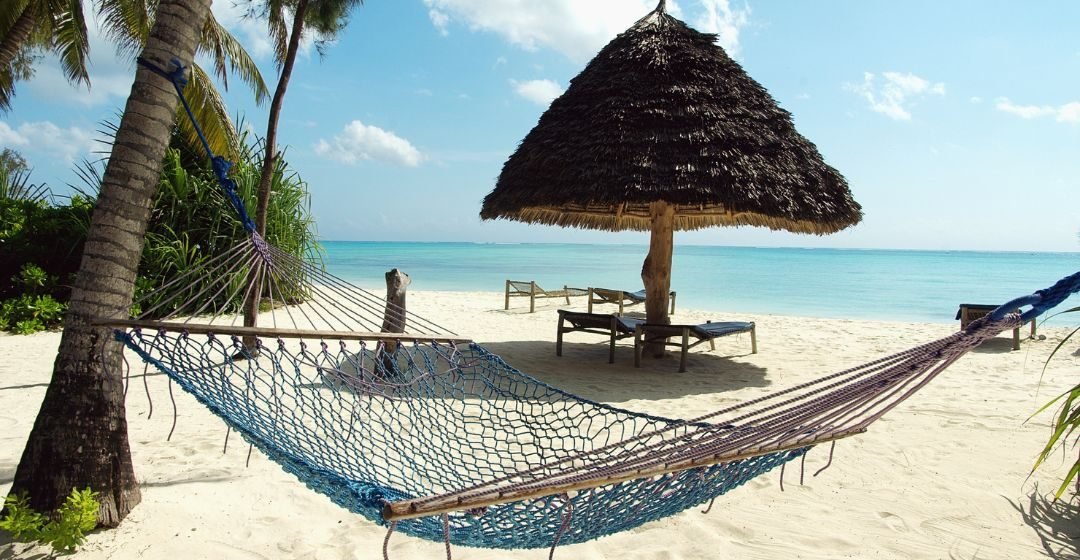
Best Time to Visit Zanzibar
After your safari, Zanzibar offers sun, sand, and relaxation. The timing of your visit can greatly influence your beach experience:
Dry Season: June–October and December–February offer sunny days with minimal rain, making it perfect for diving, snorkeling, and beach activities.
Wet Season: March–May brings occasional showers, but also lush landscapes, fewer tourists, and better hotel deals.
Pro Tip: Combine your safari with a Zanzibar beach holiday from July to October for the best weather both on safari and by the sea.
Tanzania Weather Cheat Sheet
| Month | Weather | Safari Experience | Zanzibar Experience |
|---|---|---|---|
| Jan–Mar | Hot, short rains | Good, green scenery | Warm, occasional showers |
| Apr–May | Long rains, wet roads | Challenging, fewer tourists | Wet, great hotel deals |
| Jun–Oct | Dry, sunny | Excellent, best wildlife viewing | Sunny, ideal for beach |
| Nov–Dec | Short rains | Green scenery, fewer crowds | Warm, occasional showers |
Tips for Planning Your Trip
Book Early: Peak months fill up quickly, especially luxury lodges like the Four Seasons Serengeti.
Pack Smart: Bring lightweight clothing for daytime, warm layers for cooler nights, and rain gear if you’re traveling during the wet season.
Consider Safari + Zanzibar Packages: Combining wildlife viewing and beach relaxation creates a well-rounded Tanzanian experience.
Consult Experts: Local safari operators have insider knowledge about animal movements and can help craft the best itinerary for your needs.
Health & Safety: Ensure you have the necessary vaccinations and malaria precautions in place year-round.
Who Should Visit When?
Photographers & Wildlife Enthusiasts: June–October for the dry season and Great Migration excitement.
Luxury Travelers: Peak dry season (July–October) with private lodges and personalized guides.
Budget-Conscious Travelers: April–May or November for off-season deals.
Birdwatchers & Nature Lovers: The wet season (November–May) for vibrant landscapes and migratory birds.
Beach Lovers: Zanzibar’s dry season (June–October and December–February) is perfect for sunny tropical weather.
Recommended Safari and Zanzibar Packages
For a high-end adventure in Tanzania, consider:
7-Day Serengeti & Ngorongoro Safari: Witness the Big Five and the Great Migration.
3-Day Zanzibar Beach Extension: Relax, snorkel, and explore the historic Stone Town.
Luxury Lodges: Experience ultimate comfort at places like the Four Seasons Safari Lodge Serengeti.
This combination ensures you experience both the best wildlife and the finest beaches in a single trip.
Final Thoughts: The Best Time to Visit Tanzania
While Tanzania has something extraordinary to offer year-round, the ideal time for a safari and beach getaway is typically from June to October. During this period, you can enjoy:
- Exceptional wildlife viewing
- Dry, sunny weather
- Comfortable travel conditions
- Full access to parks and luxury lodges
For travelers seeking fewer crowds and lush scenery, November or March are excellent alternatives. If you’re after unbeatable hotel deals, consider visiting during April or May for off-season pricing without sacrificing the overall experience.
Tanzania is a place where every journey is unique. Whether you’re chasing the Great Migration, photographing the Big Five, or lounging on the white sands of Zanzibar, timing your visit just right will ensure memories to cherish for a lifetime.